
"caffeine energy"
600 article(s) found

Coffee healthy caffeinated energy drink or "toxic injury"
Australian researchers have found an increase in the number of cases of discomfort caused by drinking caffeinated energy drinks. The study, jointly conducted by the University of Sydney School of Medicine and the New South Wales Toxicology Information Centre, was published in the 16th issue of the Australian Journal of Medicine. Health problems caused by toxicity of caffeinated energy drinks in Australia, according to the study

Health Canada says safe caffeine intake can lead to sudden death
Professional baristas Please follow the Coffee Workshop (official Wechat account cafe_style) recently in the United States, it was reported that a 16-year-old boy drank three caffeinated drinks within 2 hours, resulting in sudden death of arrhythmia, which attracted public attention. Daily life is full of all kinds of caffeine drinks and foods, except coffee, tea, energy drinks, some carbonated drinks, chocolate and so on.
Fancy coffee with skim milk to replenish physical strength and energy
The study found that a cup of coffee contains 125 milligrams of caffeine, a can of cola contains 35 milligrams of 38 milligrams, and an energy drink contains 280 milligrams. Generally speaking, the body can consume up to 200 milligrams and 300 milligrams of caffeine a day. When people drink energy drinks, people will unconsciously consume too much sugar, caffeine, etc., and many stimulating hormones will also have great side effects on the human body.

The best combination of physical strength and energy, coffee and skim milk.
The study found that a cup of coffee contains 125 milligrams of caffeine, a can of cola contains 35 milligrams of 38 milligrams, and an energy drink contains 280 milligrams. Generally speaking, the body can consume up to 200 milligrams and 300 milligrams of caffeine a day. When people drink energy drinks, people will unconsciously consume too much sugar, caffeine, etc., and many stimulating hormones will also have great side effects on the human body.

The European Union stipulates that energy drinks should highlight caffeine warning signs.
Many energy drinks on the market include many ingredients, especially caffeine. After all, everyone has a different amount of caffeine. Not labeling caffeine may cause some people to have physiological reactions due to caffeine and ignore their health. The British Food Standards Agency said that according to the requirements of EU Food labelling rules (EU) 1169 to 2011, caffeine was added.
Coffee knowledge Coffee Milk can replace Energy drink
The study found that a cup of coffee contains 125 milligrams of caffeine, a can of cola contains 35 milligrams of 38 milligrams, and an energy drink contains 280 milligrams. Generally speaking, the body can consume up to 200 milligrams and 300 milligrams of caffeine a day. When people drink energy drinks, people will unconsciously consume too much sugar, caffeine, etc., and many stimulating hormones will also have great side effects on the human body.
Caffeinated energy drinks or "toxic"
Health problems caused by the "toxicity" of caffeinated energy drinks in Australia are becoming more and more serious, according to a study published in the Australian Medical Journal on the 16th.
The public is deeply worried about functional beverage additives.
People have never stopped questioning the energy drink, which mainly stems from the confusion about its safety-it is not a medicine, but it does work after drinking it. Where does its energy come from? What has been added?
Coffee replenishes physical strength and energy
The study found that a cup of coffee contains 125 milligrams of caffeine, a can of cola contains 35 milligrams of 38 milligrams, and an energy drink contains 280 milligrams. Generally speaking, the body can consume up to 200 milligrams and 300 milligrams of caffeine a day.

Replenish energy and energy coffee with skim milk
Generally speaking, the body can consume up to 200 milligrams and 300 milligrams of caffeine a day.

How much caffeine does espresso contain?
How much is it? Depending on your metabolism, an adult weighing 70kg normally drinks less than 500mg per day, and the recommended intake is around 300-400mg of coffee per day from 4-6 cups. How much is too much? It depends on how fast your body metabolises caffeine, but as a general rule: A hig
The European Union stipulates that energy drinks should highlight caffeine warning signs.
The British Food Standards Agency said that according to the requirements of the EU Food labelling rules (EU) 1169 take 2011, for energy drinks that add caffeine to have a physiological effect, and the caffeine content is higher than 150mg/L, the warning message of high caffeine content should be added from December 13, 2014. the font size should be the same as the product name, and the caffeine in each 100ml product should also be added.

Caffeine content of common drinks coffee drinks
Caffeine is a xanthine alkaloid, a central nervous system stimulant that temporarily repels drowsiness and restores energy. Caffeinated coffee, tea, soft drinks and energy drinks sell very well, so caffeine is also the most commonly used psychotropic drug in the world. Coffee Espresso: 40-75mg Espresso decaf: 0-15mg Generic br
What is the content of espresso? What kind of coffee has the highest caffeine content?
How much is it? Depending on your body's metabolism, adults weighing 70kg normally drink less than 500mg a day, and it is recommended that you consume about 300-400mg of 4-6 cups of coffee a day. How much is too much? It depends on how fast your body metabolises caffeine, but as a general rule: A hig
What is the content of espresso?
How much is it? Depending on your body's metabolism, adults weighing 70kg normally drink less than 500mg a day, and it is recommended that you consume about 300-400mg of 4-6 cups of coffee a day. How much is too much? It depends on how fast your body metabolises caffeine, but as a general rule: A hig
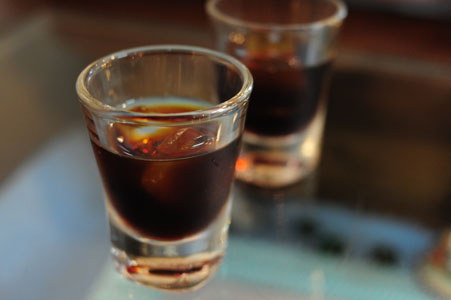
The caffeine content of common drinks such as espresso, black coffee, instant coffee and tea
[guide] how much is it? Depending on your body's metabolism, adults weighing 70kg normally drink less than 500mg a day, and it is recommended that you consume about 300-400mg of 4-6 cups of coffee a day. Cocoa Coca-Cola: 9.7 mg/100ml instant coffee Instant Coffee: 24.1 mg/100ml espresso Espresso Coffee: 173.
Energy drinks should not be mixed with alcohol
Kissing may not be the only way to get you excited at midnight during the holiday, according to ABC. A few drinks will make you feel better. However, health experts warn that it is dangerous not to mix energy drinks with alcohol. Energy drinks such as Red Bull, Charlie's Angels, rock stars and monsters are very popular in many countries.
Coffee common sense what is your daily caffeine content?
How much caffeine can people accept every day? Depending on your body's metabolism, adults weighing 70kg normally drink less than 500mg a day, and it is recommended that you consume about 300-400mg of 4-6 cups of coffee a day. So how much caffeine is there in common drinks? The following is the caffeine content per 100ml unit: cocoa Coc

Caffeine content of daily drinks
How much caffeine can people accept every day? Depending on your body's metabolism, adults weighing 70kg normally drink less than 500mg a day, and it is recommended that you consume about 300-400mg of 4-6 cups of coffee a day. So how much caffeine is there in common drinks? The following is the caffeine content per 100ml unit: cocoa Coc
What is the daily caffeine content of fine coffee?
How much caffeine can people accept every day? Depending on your body's metabolism, adults weighing 70kg normally drink less than 500mg a day, and it is recommended that you consume about 300-400mg of 4-6 cups of coffee a day. So how much caffeine is there in common drinks? The following is the caffeine content per 100ml unit: cocoa Coc